

A Local Guide
Houston is one of those cities where the address tells only part of the story.
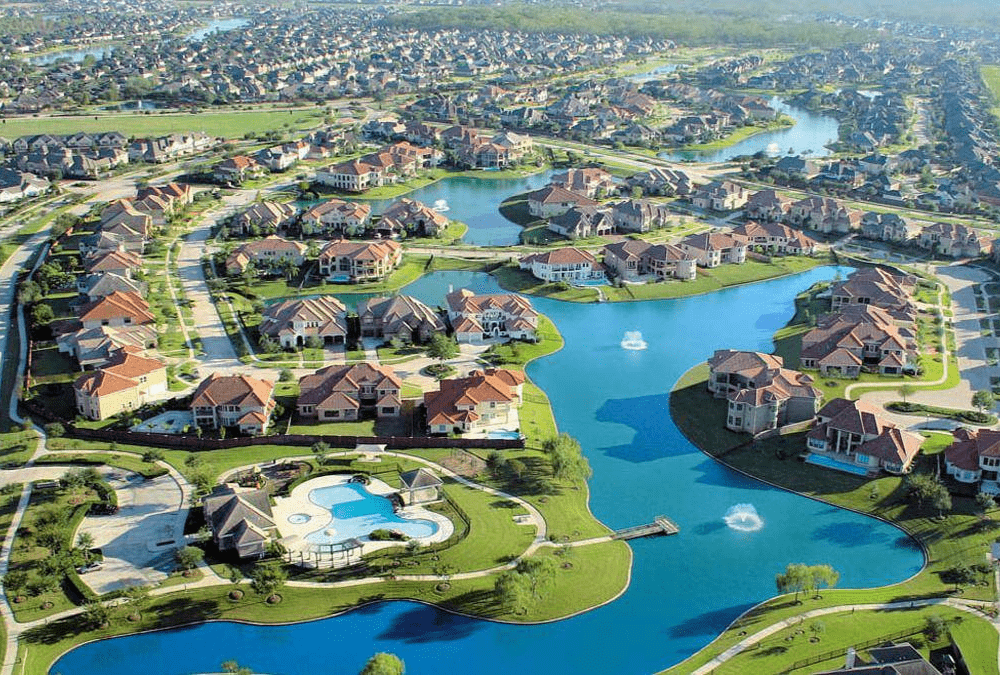
You can live close to Downtown and walk to restaurants, choose an established neighborhood near the Texas Medical Center, or look farther west for more space and newer construction. A buyer focused on nightlife may compare Montrose, Midtown and EaDo, while someone prioritizing a quieter residential setting may look at West University Place, Memorial or family-oriented communities beyond the city core.
That is why finding the best places to live in Houston Texas is not really about naming one neighborhood and calling it the winner.
It is about matching the area to the way you actually live.
Houston is divided into many distinct communities. The City of Houston organizes local planning through its Super Neighborhood program, which reflects how varied the city is from one area to the next. Popular places buyers often compare include The Heights, Montrose, Midtown, EaDo, West University, the Museum District, Memorial and the Energy Corridor.
So, if you’re moving to Houston, Texas, here’s what I would pay attention to before deciding where to buy.
What Locals Wish You Knew
- Houston isn’t one neighborhood, and that matters
- Your commute can shape your daily life
- Inner Loop living comes with a different lifestyle
- Established neighborhoods have their own character
- Newer doesn’t always mean better
- Property taxes, HOA fees and special districts deserve a closer look
- Your home’s exact location matters more than the neighborhood name
- School assignments should be verified by address
- Flood risk and insurance can change your budget
- The best Houston neighborhood depends on how you live
Houston Neighborhoods at a Glance
| Area | May Suit | Housing | Main Consideration |
| The Heights | Buyers wanting character and central access | Bungalows, townhomes, new builds | Prices and lot conditions vary by block |
| Montrose | Culture, dining and nightlife | Condos, townhomes, historic homes | Density, parking and redevelopment |
| Midtown | Urban professionals and transit users | Apartments, condos, townhomes | Nightlife activity and limited private outdoor space |
| EaDo | Downtown access and entertainment | Townhomes, lofts, newer infill | Railroad, stadium-event and industrial surroundings |
| West University Place | Established residential living near central Houston | Single-family homes, luxury new construction | Higher entry prices and municipal taxes |
| Museum District | Arts, parks and Medical Center access | Condos, townhomes, older homes | Traffic, parking and property-by-property flood review |
| Memorial | Space, schools and west-side access | Established homes, luxury properties, townhomes | Large price and tax differences across sections |
| Energy Corridor | West Houston employment access | Single-family homes, townhomes, apartments | Commute routes, flooding history and district boundaries |
Houston Isn’t One Neighborhood, and That Matters
This is probably the most important thing to understand before you start looking at homes for sale in Houston, Texas.
Houston covers a broad area with dozens of recognizable neighborhoods, business districts and independent municipalities woven into the metro. The City’s Super Neighborhood framework alone includes communities with very different housing, transportation and development patterns.
In practical terms, that means buyers have choices.
You can compare central neighborhoods such as The Heights, Montrose, Midtown and EaDo, look near the Museum District and Texas Medical Center, or explore established west-side areas such as Memorial and the Energy Corridor. That matters because the ‘best neighborhood’ depends on what you are trying to solve with the move.
Your Commute Can Shape Your Daily Life
Houston is highly spread out, and two homes with similar prices can create completely different weekday routines. Before falling in love with a neighborhood, test the drive to work, school, medical appointments and the places you visit most often during the hours you would actually travel.
METRO provides local bus and light-rail service, but access varies by location. Use the official trip planner to see whether a potential address works with the routes you need.
Inner Loop Living Comes With a Different Lifestyle
If central access, restaurants, parks and cultural destinations are high on your list, start by comparing neighborhoods inside or near Interstate 610, often called the Inner Loop. The Heights, Montrose, Midtown, EaDo and the Museum District each offer a different version of central-city living.
The upside is proximity. The trade-off may be a higher price per square foot, smaller lots, denser construction, parking limitations or more street activity. Walk the surrounding blocks during the day and at night before deciding.
Established Neighborhoods Have Their Own Character
Houston’s established areas are worth seeing in person because listing photos do not always show the surrounding streets, mature trees, drainage, redevelopment patterns or nearby commercial uses.
The Heights is known for historic character alongside extensive new construction. Montrose blends older homes, townhomes, apartments and cultural venues. West University Place and parts of Memorial offer a more traditional residential feel, but pricing, municipal services, deed restrictions and lot values can differ substantially. Older homes also deserve careful inspections of the roof, foundation, HVAC, plumbing, electrical system and prior renovations.
Newer Doesn’t Always Mean Better
Houston has abundant townhome and infill construction, plus master-planned communities throughout the wider metro. Newer homes may offer modern layouts, energy-efficient systems and lower immediate maintenance. But do not make ‘new construction’ your only filter.
Review builder reputation, drainage, lot grading, warranties, HOA documents, nearby planned development, commute routes, insurance costs and resale competition. In dense infill areas, also check shared driveways, guest parking, construction quality and how adjacent land may be developed.
Property Taxes, HOA Fees and Special Districts Deserve a Closer Look
This is where buyers can underestimate the true cost of living in Houston. Texas does not impose an individual state income tax, but property taxes can be a major part of the monthly housing budget. Rates and exemptions depend on the specific taxing jurisdictions and property. Some homes also carry HOA fees, municipal utility district taxes or other assessments.
Before making an offer, review the current county appraisal record, estimated taxes after purchase, available homestead exemptions, HOA documents and any special-district charges. Do not assume the seller’s current tax bill will equal yours.
Your Home’s Exact Location Matters More Than the Neighborhood Name
Two homes marketed under the same neighborhood label can offer very different experiences. Look at the actual block: proximity to freeways, rail lines, stadiums, nightlife, bayous, commercial sites and future construction; street parking; drainage; backyard surroundings; and noise at different times of day.
Also confirm whether the property is inside Houston city limits or in a nearby municipality or unincorporated area. That can affect services, permitting, taxes and local rules.
School Assignments Should Be Verified by Address
Houston-area attendance zones can change and neighborhood names do not reliably identify a school district. A Houston mailing address may fall within Houston ISD or another district. Always verify the exact property address with the relevant school district’s official school finder, then confirm programs, transfer rules and current boundaries directly with the district.
Flood Risk and Insurance Can Change Your Budget
Flood research should be property-specific in Houston. Review FEMA flood maps, local flood tools, elevation information, seller disclosures and any available claims or flooding history. A property outside a mapped high-risk zone can still experience drainage or flooding problems.
Get actual homeowners and flood-insurance quotes before the option or inspection period ends. The National Flood Insurance Program notes that standard homeowners insurance generally does not cover flood damage, so flood coverage should be evaluated separately.
The Best Houston Neighborhood Depends on How You Live
There is not one answer to the question ‘Where should I live in Houston?’
Here is a more useful way to look at it:
Want historic character and central access? Start with The Heights.
Want dining, culture and nightlife? Compare Montrose and Midtown.
Want Downtown access and an entertainment-district feel? Look closely at EaDo.
Want museums, Hermann Park or Medical Center access? Consider the Museum District and nearby neighborhoods.
Prefer an established residential setting? Compare West University Place and Memorial.
Work in west Houston? The Energy Corridor may reduce your daily drive.
Want more space or newer master-planned options? Expand the search into the wider Houston metro, but calculate the commute before deciding.
For retirees, think about stairs, maintenance, healthcare access, flood risk, insurance and how much driving you want to do. For first-time buyers, compare the total monthly cost, not just the sale price. For families, put school assignment and commute on the same level as bedrooms and square footage.

Pros and Cons of Living in Houston, Texas
The Pros
- Distinct neighborhood choices: Buyers can compare urban, historic, suburban-style and master-planned settings.
- Employment access: Major job centers include Downtown, the Texas Medical Center, the Energy Corridor and other business districts.
- Culture and recreation: Museums, professional sports, restaurants, parks, trails and performing arts offer year-round options.
- Housing variety: Houston includes condos, townhomes, bungalows, single-family homes and new construction at many price points.
The Cons
- Commutes can be long, and traffic varies significantly by route and time.
- Flood risk and drainage require property-specific research.
- Property taxes and insurance can materially affect affordability.
- Hot, humid summers and storm preparation are part of local homeownership.
- Redevelopment and limited zoning can create different land uses close together.
Things to Know Before Moving to Houston, Texas
- Commute: Test your actual route during normal working hours.
- Flood risk: Check FEMA maps, local tools, disclosures and property history.
- Insurance: Obtain real homeowners and flood-insurance quotes early.
- Taxes: Review the appraisal record, taxing jurisdictions and exemption eligibility.
- HOA and deed restrictions: Get current fees, rules, reserves and restrictions.
- Home condition: Inspect the roof, foundation, HVAC, plumbing, electrical system and drainage.
- Schools: Verify the exact address with the appropriate school district.
- Utilities and districts: Confirm providers and any municipal utility district taxes or fees.
- Surroundings: Visit the block at different times and research nearby planned development.
- Resale: Consider who the likely future buyer will be and what location features they may value.
Final Thoughts
The best places to live in Houston, Texas, are not determined by a single ranking. For one buyer, the answer may be a bungalow in The Heights. For another, it is a townhome near Downtown or a home in an established west-side community. Someone else may prefer more space in the wider metro, even if that means a longer drive.
Houston real estate is easier to understand when you stop comparing neighborhood names and start comparing lifestyles, total costs and daily routines.
Frequently Asked Questions
What are the best places to live in Houston, Texas?
It depends on your priorities. The Heights is popular for character and central access; Montrose and Midtown appeal to buyers who value dining and nightlife; EaDo offers Downtown proximity; the Museum District can work well for cultural and Medical Center access; and West University, Memorial and the Energy Corridor provide different residential and commute options.
What are the main Houston neighborhoods buyers compare?
Common starting points include The Heights, Montrose, Midtown, EaDo, the Museum District, West University Place, Memorial and the Energy Corridor. Houston has many more communities, so the final list should be based on commute, budget and lifestyle.
Is Houston good for families?
Houston can fit families seeking housing variety, parks, cultural amenities and access to multiple school districts. Buyers should verify the exact school assignment and evaluate commute, flood risk and total monthly costs for each property.
Is Houston walkable?
Some central districts are more walkable than others, but Houston overall is spread out and many households rely on a car. Evaluate the specific address, nearby destinations, sidewalks, METRO access and the routes you use most.
Are there newer homes in Houston?
Yes. New townhomes and infill homes are common in many central areas, while newer subdivisions and master-planned communities are widely available across the metro. Review construction quality, HOA rules, drainage and future development.
Is Houston expensive?
Costs vary widely by neighborhood, home type, taxes and insurance. In August 2026, Realtor.com reported a $325,000 median listing price for Houston city listings. For the broader Houston-The Woodlands-Sugar Land metro, the Realtor.com series published by FRED showed a $359,000 median listing price. Redfin reported a roughly $349,769 Houston median sale price for the three months ending August 2026.
What should I research before buying in Houston?
Review commute, flood risk, insurance, property taxes, HOA or deed restrictions, school assignment, home condition, utilities, nearby land use and future development.
Helpful Houston Resources & External Links
For readers who want to research further, these are the pages I’d naturally reference throughout the published article:
City of Houston Super Neighborhoods
Harris Central Appraisal District Property Search
Harris County Flood Education Mapping Tool